Beet Juice Deicing at Puyallup Properties
Puyallup does not get much deep snow. It averages 2.4 days a year with 1 in or more of snow, and only 1.0 day a year stays below freezing. What it gets more often is light snow and frost. About 4.07 light-snow days a year need deicing, and 29 freezing nights fall between Oct and Apr.
Ice events do happen here. Records near Puyallup include an ice storm on Dec 23, 2022, and freezing rain on Jan 19, 2012. Sleet was also reported near Orting on Feb 18, 2018. Pavement that is treated before a event like that is easier to clear.
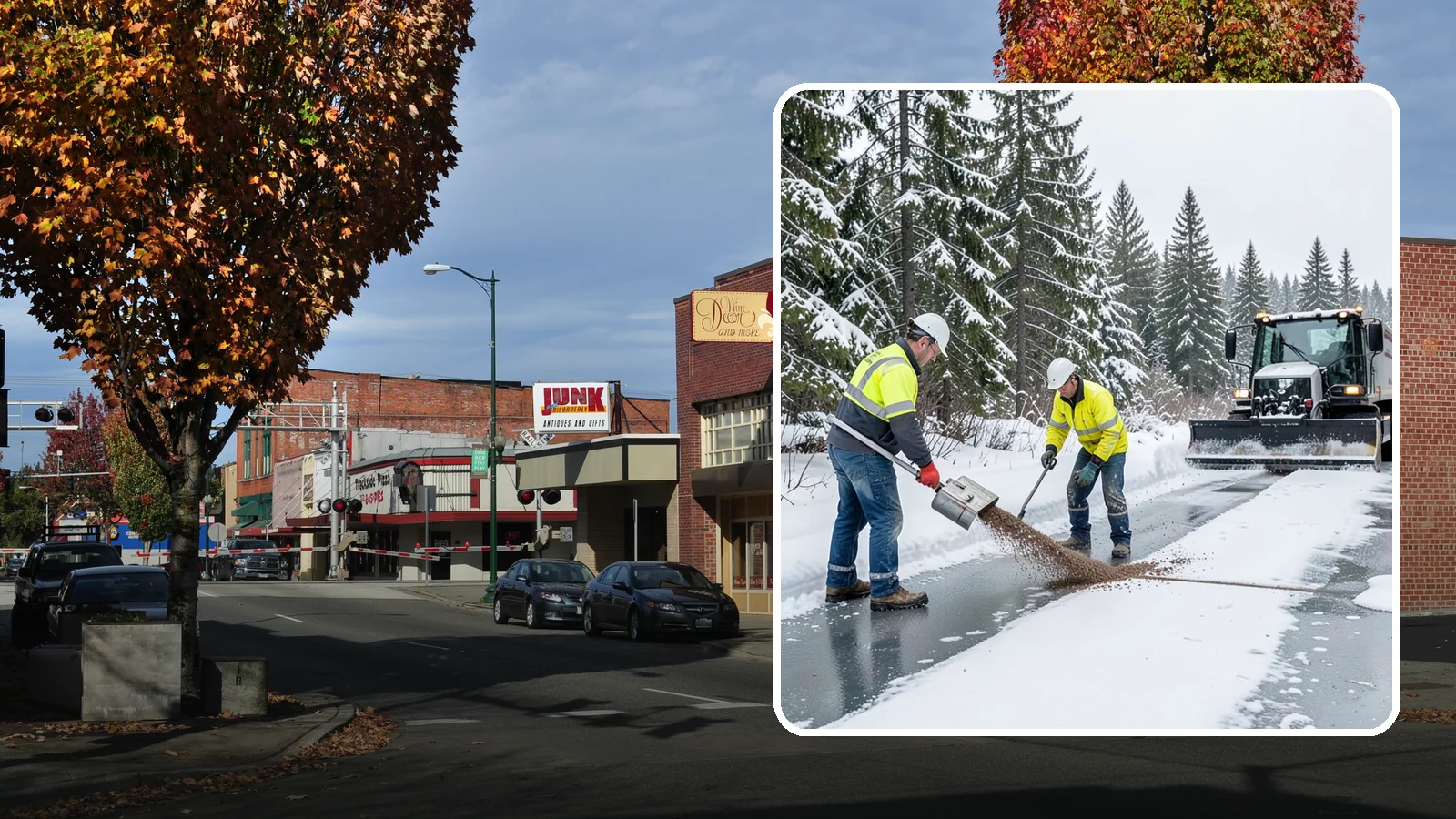
A typical visit at a Puyallup lot, drive or walkway involves:
- Checking the forecast and the surfaces that ice over first
- Applying the liquid to lots, drive lanes, ramps and walkways
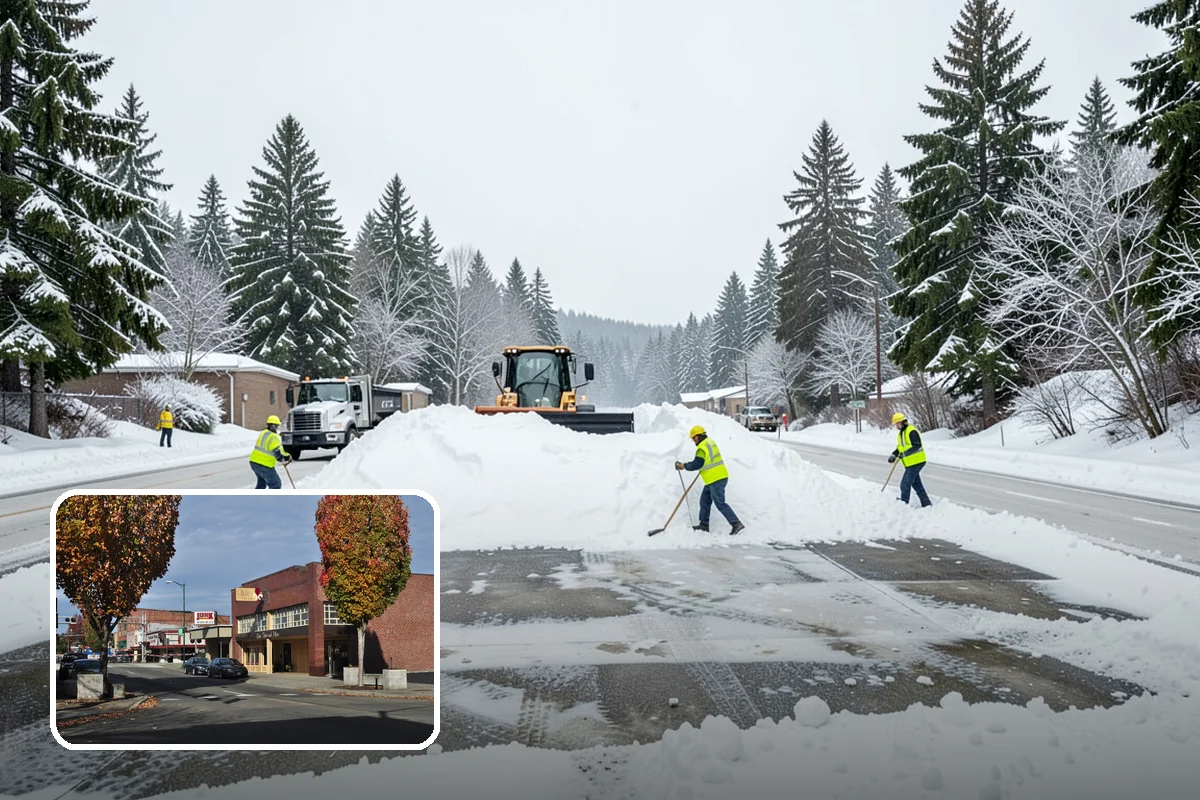
- Following up with plowing, shoveling or salt if conditions call for it
Puyallup is 69 minutes from our Bothell yard. It is billed as zone C, with a $350 trip charge per dispatch and a 2-hour minimum. Our spreader truck with driver (Ram 5500) is $325 per hour. Crew members for sidewalks and hand work are $110 per person-hour. Bagged ice melt is $45 per 50 lb bag, and bulk salt applied is $300 per ton.