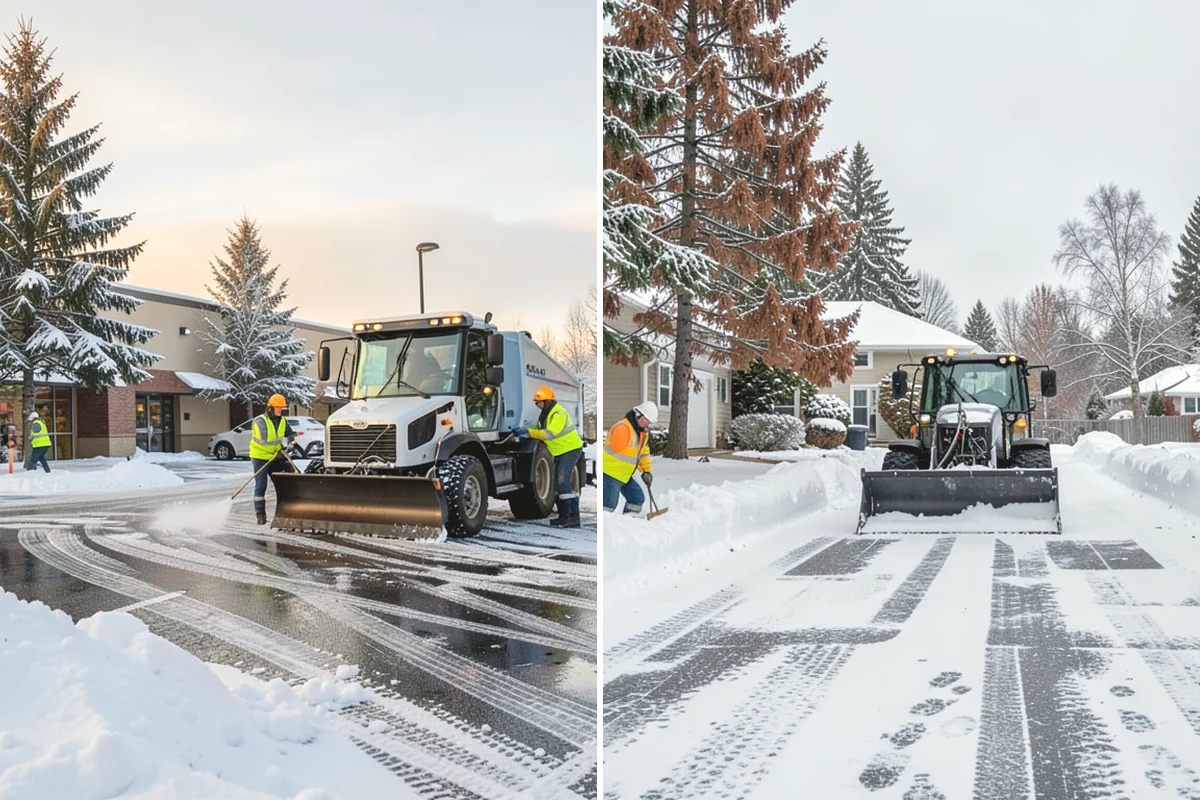
Keeping You Moving. Beyond Expectations.

Tacoma Large Equipment Snow Removal
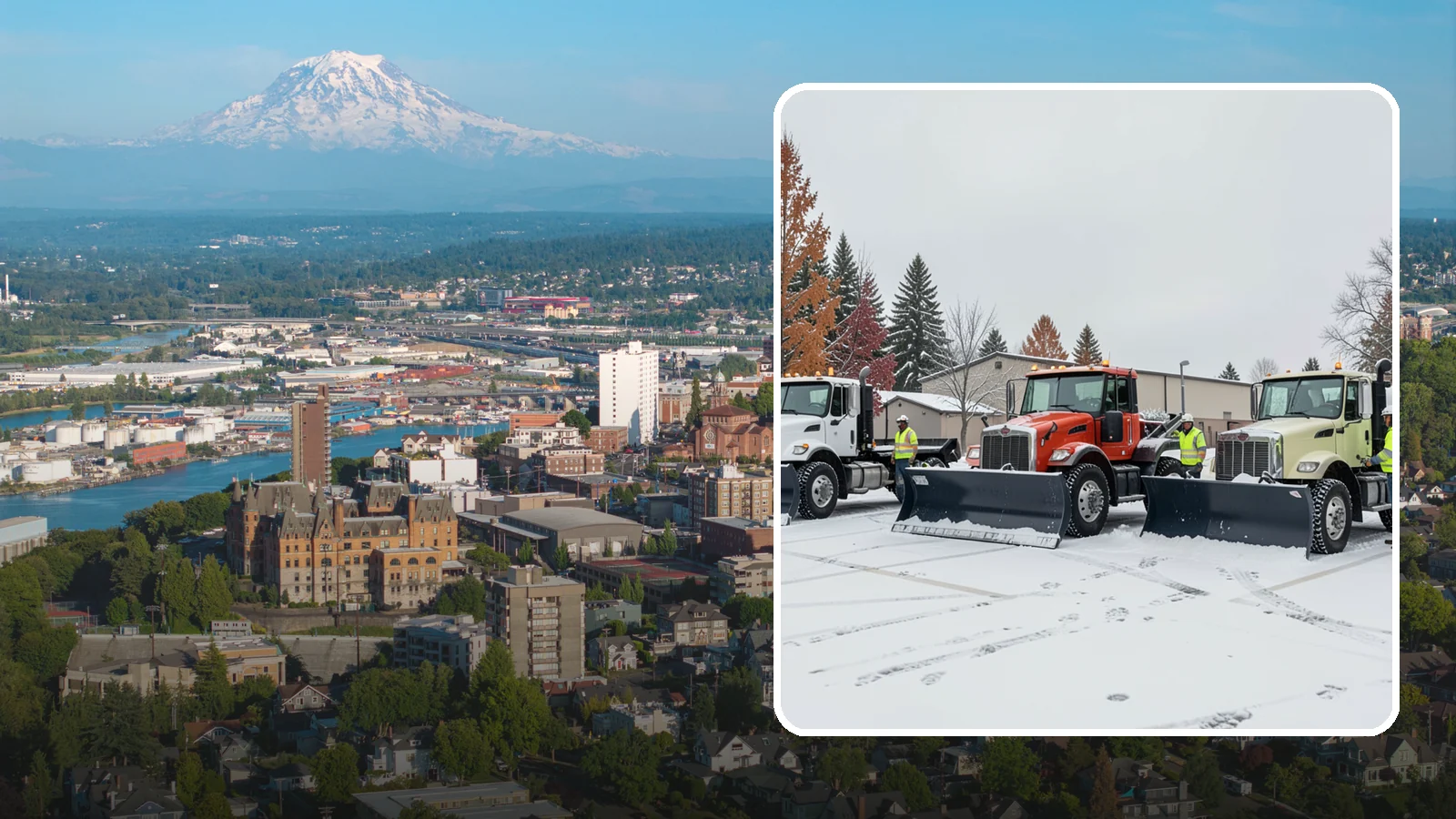
Our large equipment fleet takes on major commercial and industrial sites with heavy, sustained snow needs.
Washington Snow Removal provides large equipment snow removal in Tacoma, Pierce County. Our crews run a Kubota SCL1000 compact track loader, a Ram 3500 plow truck and a Ram 5500 plow and spreader truck. Each machine comes with an operator or driver. We are licensed, bonded and insured.
Tacoma does not see much snow. The average season brings 5.6 in, and only 1.6 days a year reach 1 in or more. But when it does snow, it can be heavy. The biggest single day since 2005 was 7.2 in. Large equipment is for those days, when shovels and small blowers cannot keep up. Call 206-809-9669 to talk about your site.
Tacoma winter workload for property managers
Average snowfall by month in Tacoma
Largest snow totals reported near Tacoma
- Jan 18–19, 2012: Up to 8.2 in, 2 spotter reports: 5 W Federal Way 8.2 in, Tacoma 7.5 in
- Jan 13, 2007: 8 in measured by a spotter at 1 N Tacoma
- Feb 13–14, 2021: Up to 8 in, 2 spotter reports: 4.9 SE Tacoma 8 in, University Place 7 in
- Dec 27, 2021: 7.5 in measured by a spotter at 1 NW Tacoma
Sources: NOAA and National Weather Service records for Tacoma, 2005–2026.
What Large Equipment Snow Removal Means in Tacoma
Large equipment work covers lots, access roads, loading areas and driveways too big or too packed for hand crews. In Tacoma, that usually means clearing a heavy, wet snowfall that arrives only a few times in a decade. The area has had 11 winter storm and heavy snow reports since 2005. Spotters measured 8.2 in near Federal Way on Jan 19, 2012, and 8 in near Tacoma on Jan 13, 2007.
An average season has 1.57 plow events. It also has 3.05 light-snow days that need deicing, and 31 freezing nights from October to April. So the work splits into two kinds of jobs: plowing after a real snowfall and spreading on icy mornings.
- Compact track loader with operator (Kubota SCL1000): $175 / hour
- Plow truck with driver (Ram 3500): $250 / hour
- Plow and spreader truck with driver (Ram 5500): $325 / hour
- Trip charge for Tacoma (zone C): $350 / dispatch
Each dispatch has a 2-hour minimum. Tacoma is 73 minutes from our Bothell yard, which is why the trip charge applies. Because plow events are rare here, most properties call us as needed rather than keeping equipment on site.
Prices in Tacoma
Billed by the hour for the crew and equipment on site, plus materials.
| Compact track loader with operator (Kubota SCL1000) | $175 / hour |
| Plow truck with driver (Ram 3500) | $250 / hour |
| Plow and spreader truck with driver (Ram 5500) | $325 / hour |
| Trip charge for Tacoma (zone C) | $350 / dispatch |
- 2-hour minimum per dispatch.
- Tacoma is 73 minutes from our Bothell yard.
Prices approved Oct 2026.
Service Area
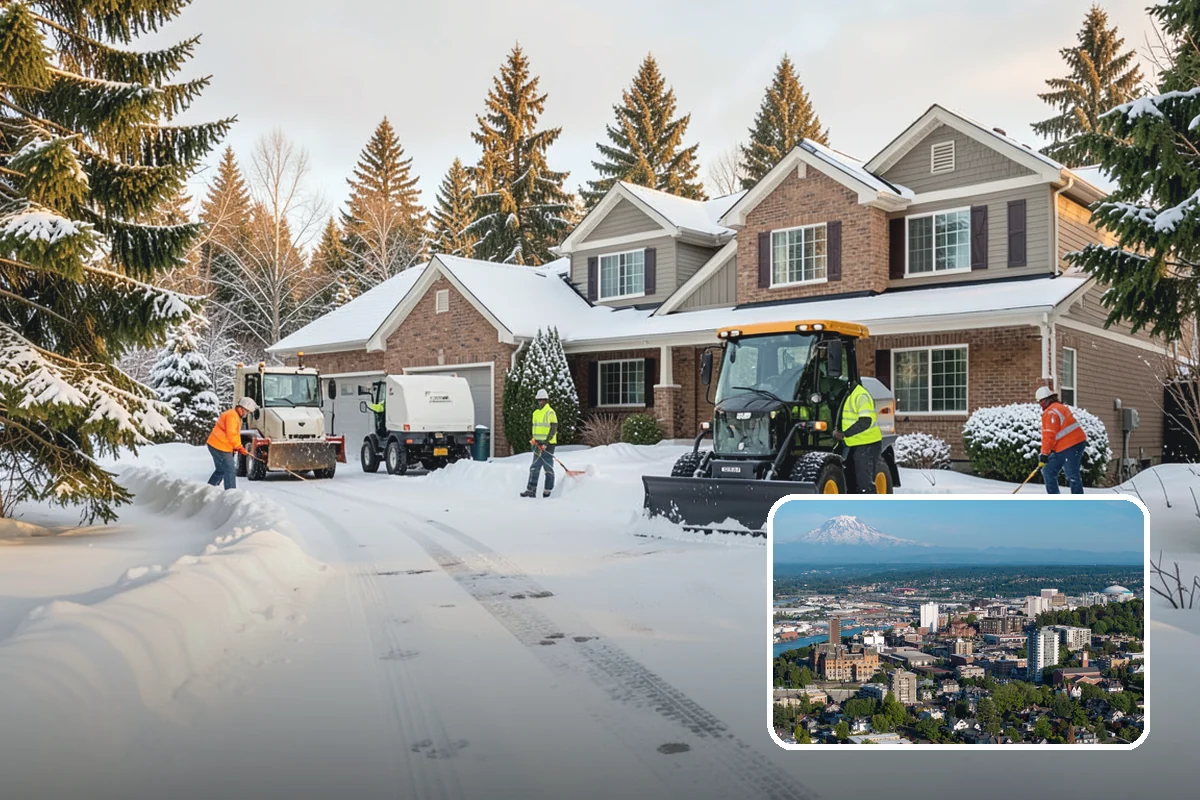
Tacoma
Benefits
Scale to clear the largest properties fast; Coordinated fleet for full-site coverage; Capacity for heavy, sustained snowfall; Planned routes that minimize downtime; Support for critical commercial operations