Keeping You Moving. Beyond Expectations.

Woodinville Generator Access Clearing
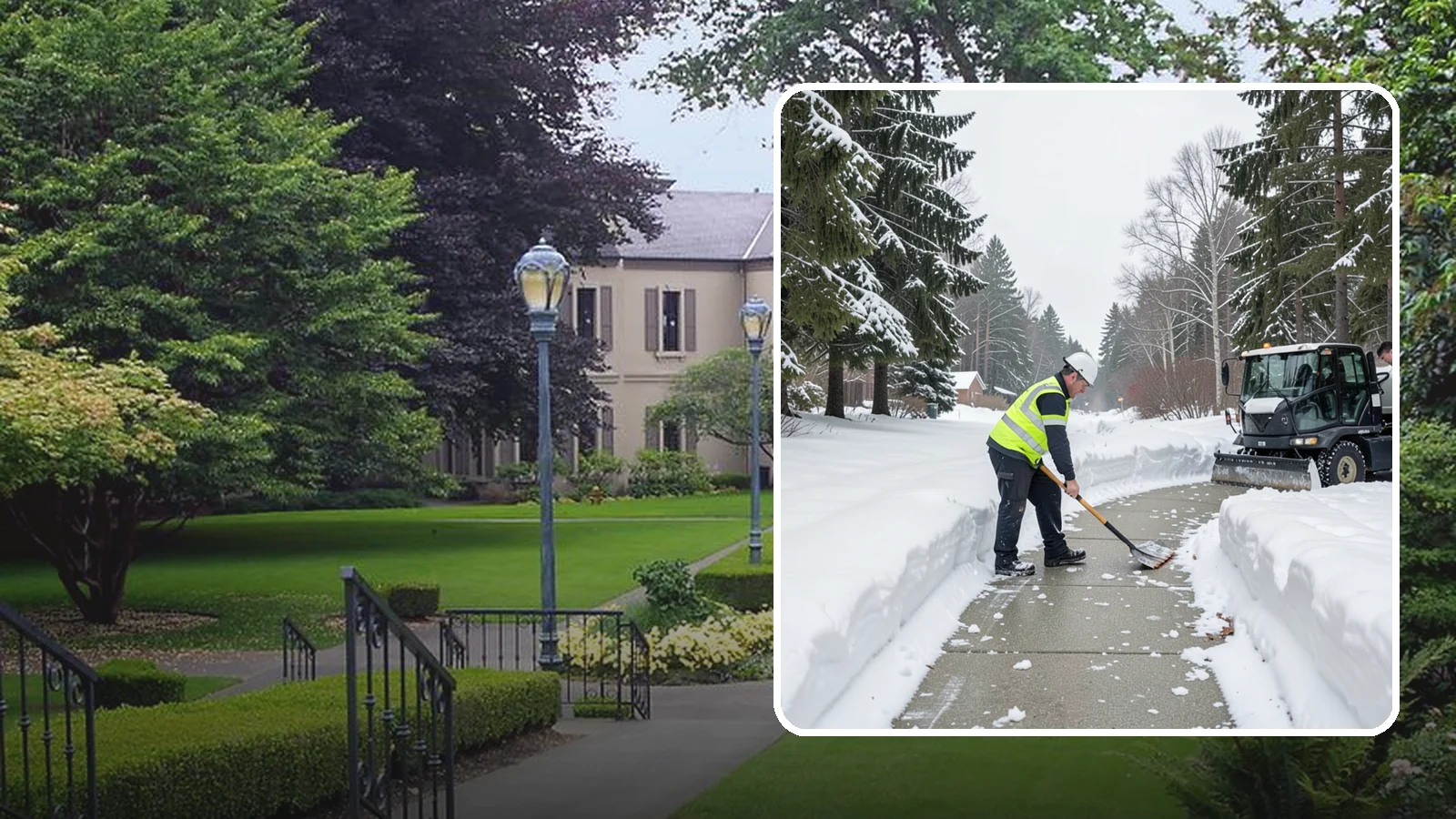
We clear snow and ice from around backup generators and their controls so they stay serviceable during Western Washington outages.
A standby generator is only useful if you can reach it. In Woodinville, snow is not frequent, but when it falls it often comes with outages and blocked paths. Washington Snow Removal clears the way to your generator so it can run, be checked and be refueled.
We are licensed, bonded and insured, and we work out of our Bothell yard, 17 minutes from Woodinville. Call 206-809-9669 to set up a dispatch. Pricing is posted below, with a 2-hour minimum per dispatch.
Woodinville walkway conditions in winter
Average snowfall by month in Woodinville
Biggest storms in Woodinville since 2005
- Feb 11–13, 2019: 14.4 in total, 7.4 in on the biggest day
- Jan 14–20, 2012: 12.2 in total, 4.0 in on the biggest day
- Feb 12–15, 2021: 11.6 in total, 6.4 in on the biggest day
- Feb 3–6, 2025: 10.2 in total, 5.5 in on the biggest day
Sources: NOAA and National Weather Service records for Woodinville, 2005–2026.
Generator Access Clearing in Woodinville: What the Job Involves
Generator access clearing means opening a safe, usable path to the unit and keeping the area around it free of snow and ice. At a Woodinville home or small commercial property, that usually covers the following.
- A shoveled path from the door or driveway to the generator
- Snow cleared from around the unit and its service panel
- Drifts and slush removed from intake and exhaust areas
- Ice melt on the path where footing is slick
Woodinville averages 8.8 in of snow per season, with 2.7 days a year of 1 in or more. Snow is on the ground about 7 days a year. Even so, 76% of winters have at least one 1-inch day, and there are 32 freezing nights from October to April. Slush often refreezes overnight, so a path can turn to ice quickly.
Big events do happen. Feb 11–13, 2019 brought 14.4 in in total, with 7.4 in on the biggest day. Feb 12–15, 2021 brought 11.6 in. Storms like these are when a generator matters most.
Rates: crew members are $110 per person-hour, a compact track loader with operator is $175 per hour, and bagged ice melt is $45 per 50 lb bag. The Woodinville trip charge is $200 per dispatch.
Prices in Woodinville
Billed by the hour for the crew and equipment on site, plus materials.
| Crew member (shoveling, sidewalks, hand work) | $110 / person-hour |
| Compact track loader with operator (Kubota SCL1000) | $175 / hour |
| Ice melt, bagged | $45 / 50 lb bag |
| Trip charge for Woodinville (zone A) | $200 / dispatch |
- 2-hour minimum per dispatch.
- Woodinville is 17 minutes from our Bothell yard.
Prices approved Oct 2026.
Service Area
Woodinville
Benefits
Keeps standby power reachable during storm outages; Prevents drifts from blocking intake and exhaust vents; Ensures technicians have safe footing at the unit; Protects access to fuel fills and control panels; Reduces risk of generator failure from snow ingress