Generator Access Clearing in Redmond: What the Work Involves
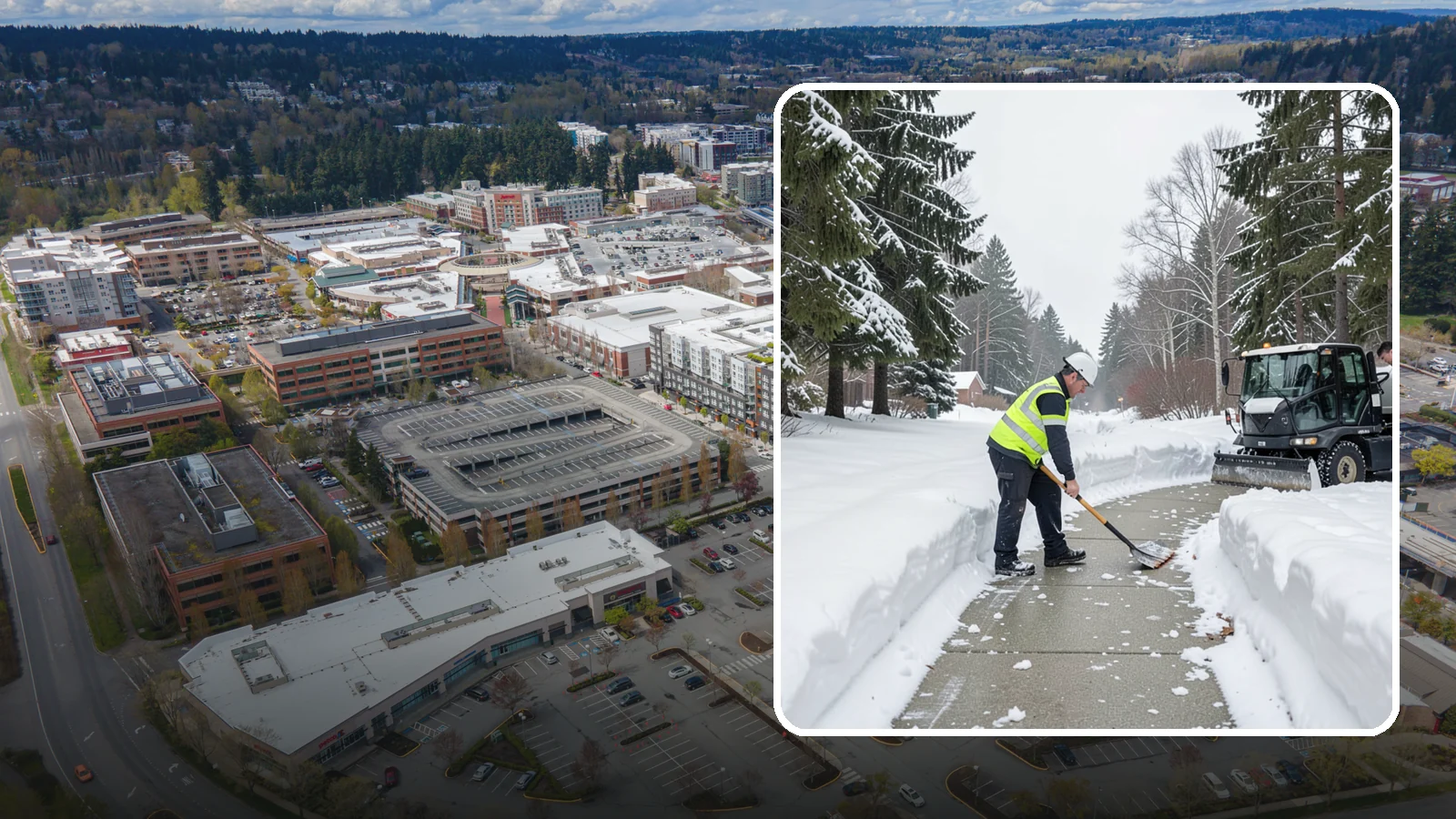
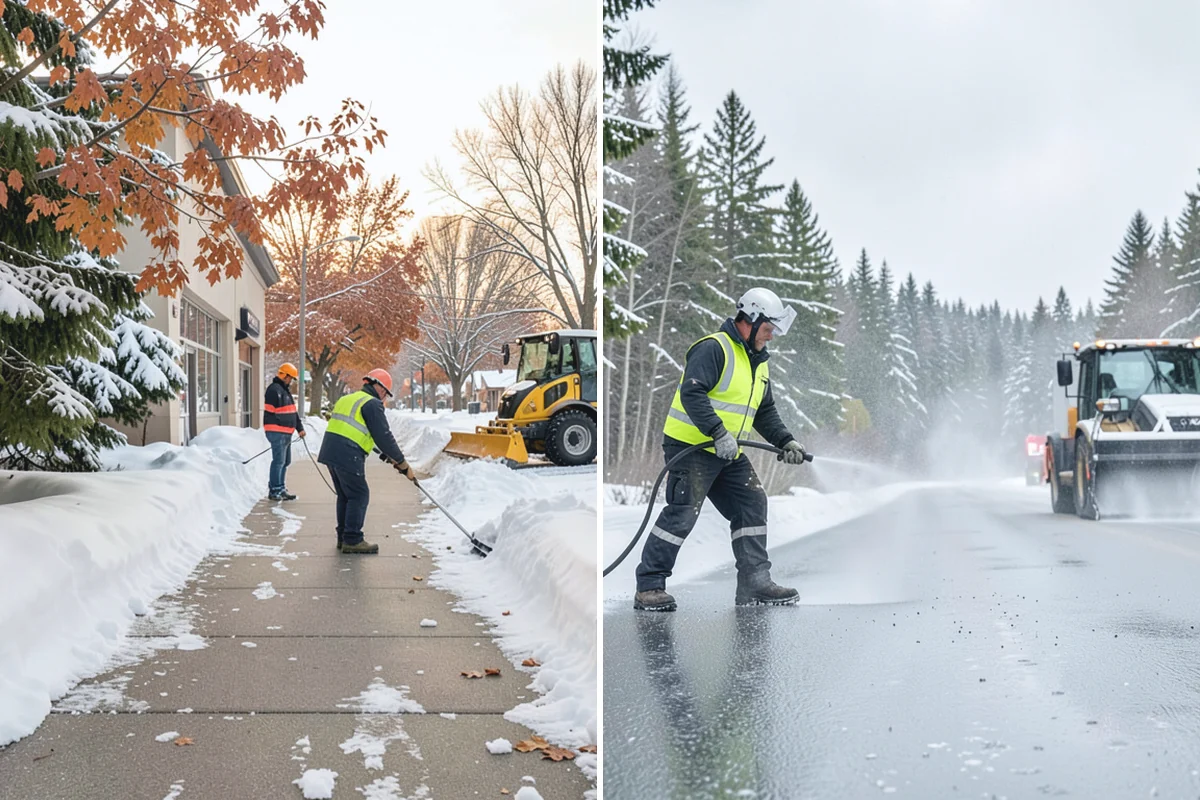
Generator clearing is small, careful hand work. A crew member shovels the pad, the area around the unit, and a path from the nearest door or driveway. We keep snow and ice away from intake and exhaust openings and the service panel so the unit can run and be checked.
- Shovel the pad and the space around the enclosure
- Clear a walkway to the generator and to any transfer switch or fuel connection
- Apply ice melt on the path where ice has formed
Redmond does not get snow often. The area averages 7.8 in per season, with 6 days a year of snow on the ground and only 2.3 days with 1 in or more. That means storms are short but can arrive with little warning. Recent events in the area include Heavy Snow on Feb 11, 2019, a Winter Storm on Feb 12, 2021, and Winter Weather on Dec 1, 2022.
Freezing nights are more common, at 31 between October and April. Meltwater can refreeze around a pad and turn a cleared path into ice. Only 1.1 days a year stay below freezing all day, so most snow melts quickly, but the path still needs attention.
Pricing is $110 per person-hour for hand work, $45 per 50 lb bag of ice melt, and a $200 trip charge for Redmond (zone A) per dispatch. There is a 2-hour minimum per dispatch.