Generator Access Clearing in Bellevue: What the Job Involves
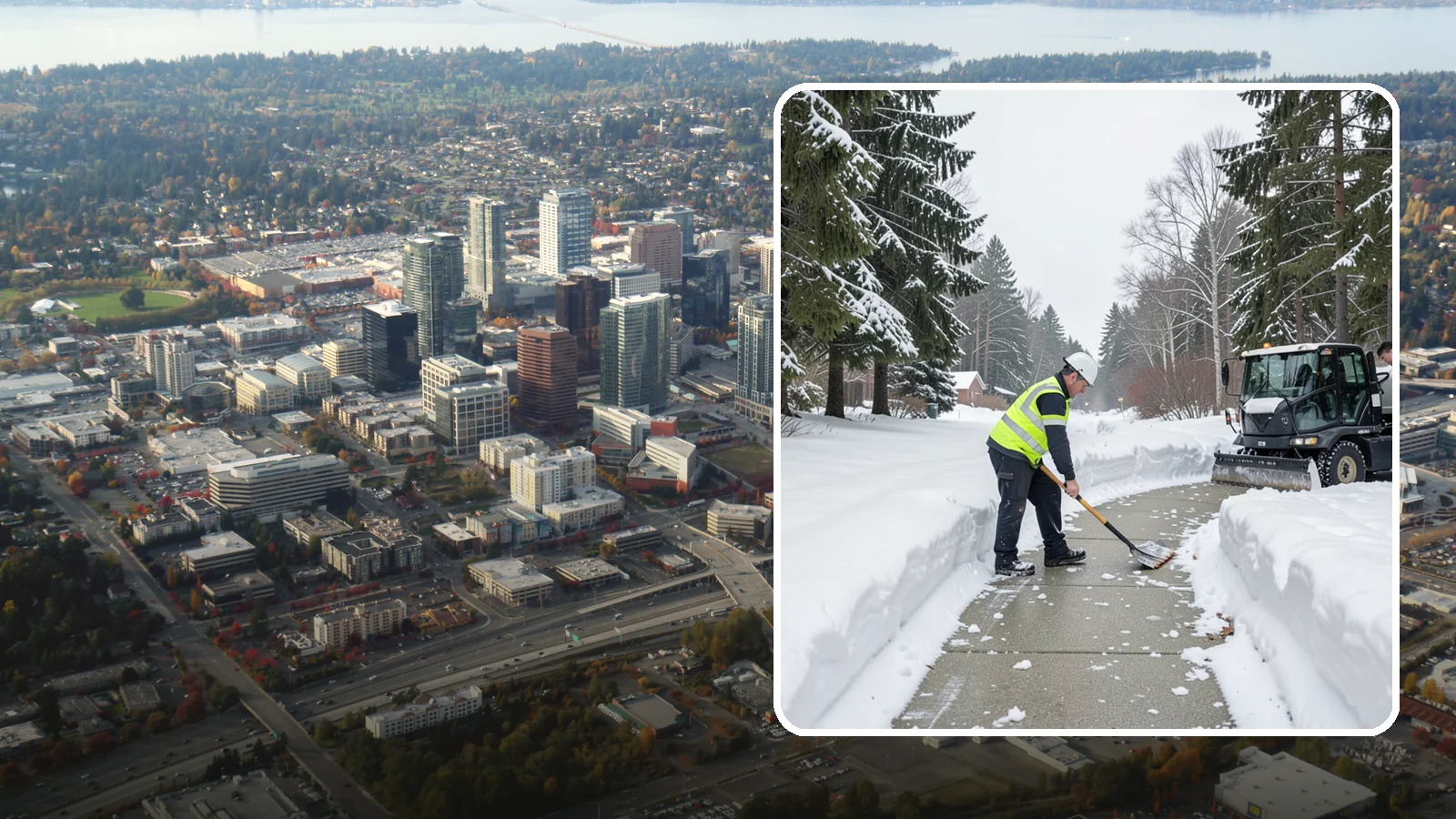
Bellevue does not get much snow. The average is 7.2 in per season, and only 2.1 days a year bring 1 in or more. But the events that do hit can be serious. Recent ones logged for the area include an ice storm on Dec 23, 2022, a winter storm on Jan 12, 2020 and heavy snow on Feb 11, 2019. Those are the times a power outage is most likely, and a generator needs a clear path.
Ice is the bigger routine concern. Bellevue sees 30 freezing nights from Oct to Apr and about 3.24 light-snow days a year that need deicing. A thin glaze on a path to a generator is easy to slip on, even when there is little snow to shovel.
A typical visit includes:
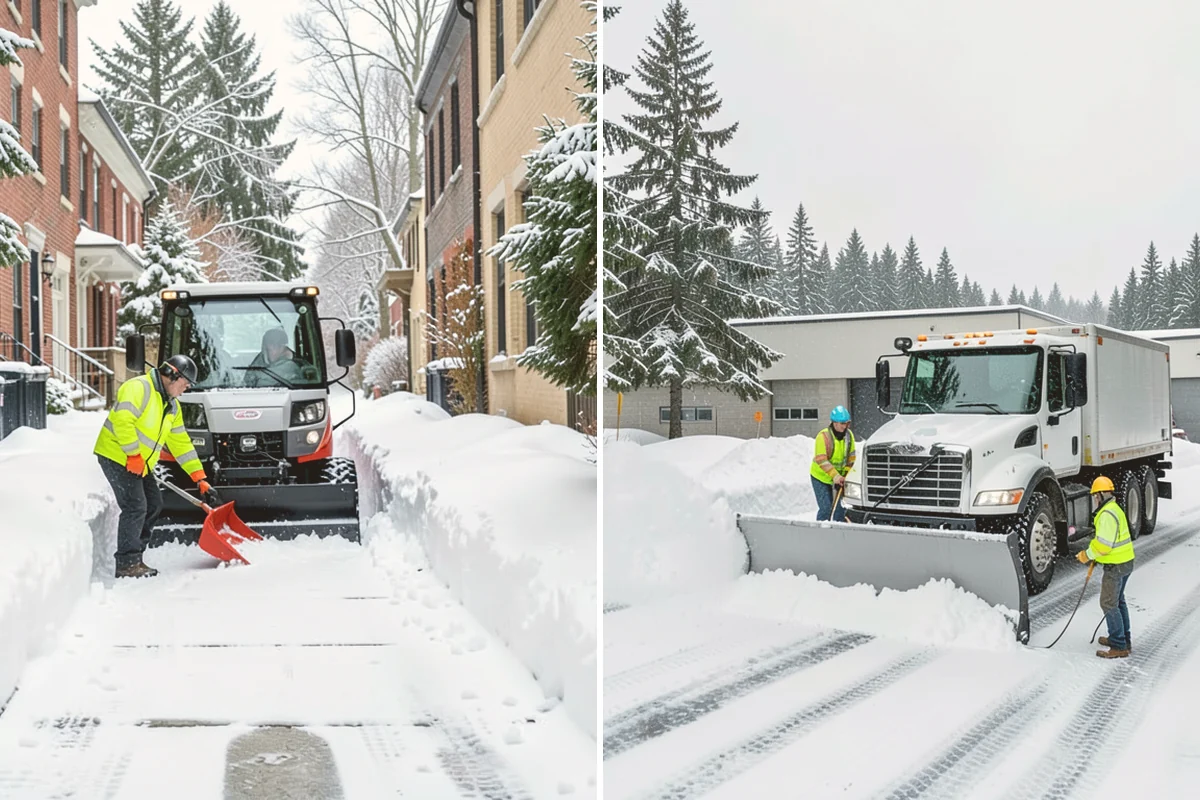
- Shoveling the path from the door to the generator by hand
- Clearing snow from the pad and around the enclosure
- Keeping vents, intake and exhaust areas free of drifted snow
- Spreading ice melt on the walking surface
Pricing is $110 per person-hour for crew work, plus $45 per 50 lb bag of ice melt. The trip charge for Bellevue (zone A) is $200 per dispatch, and each dispatch has a 2-hour minimum. If a long drive needs a machine, a compact track loader with operator is $175 per hour.