Keeping You Moving. Beyond Expectations.

Lakewood Refreeze Prevention
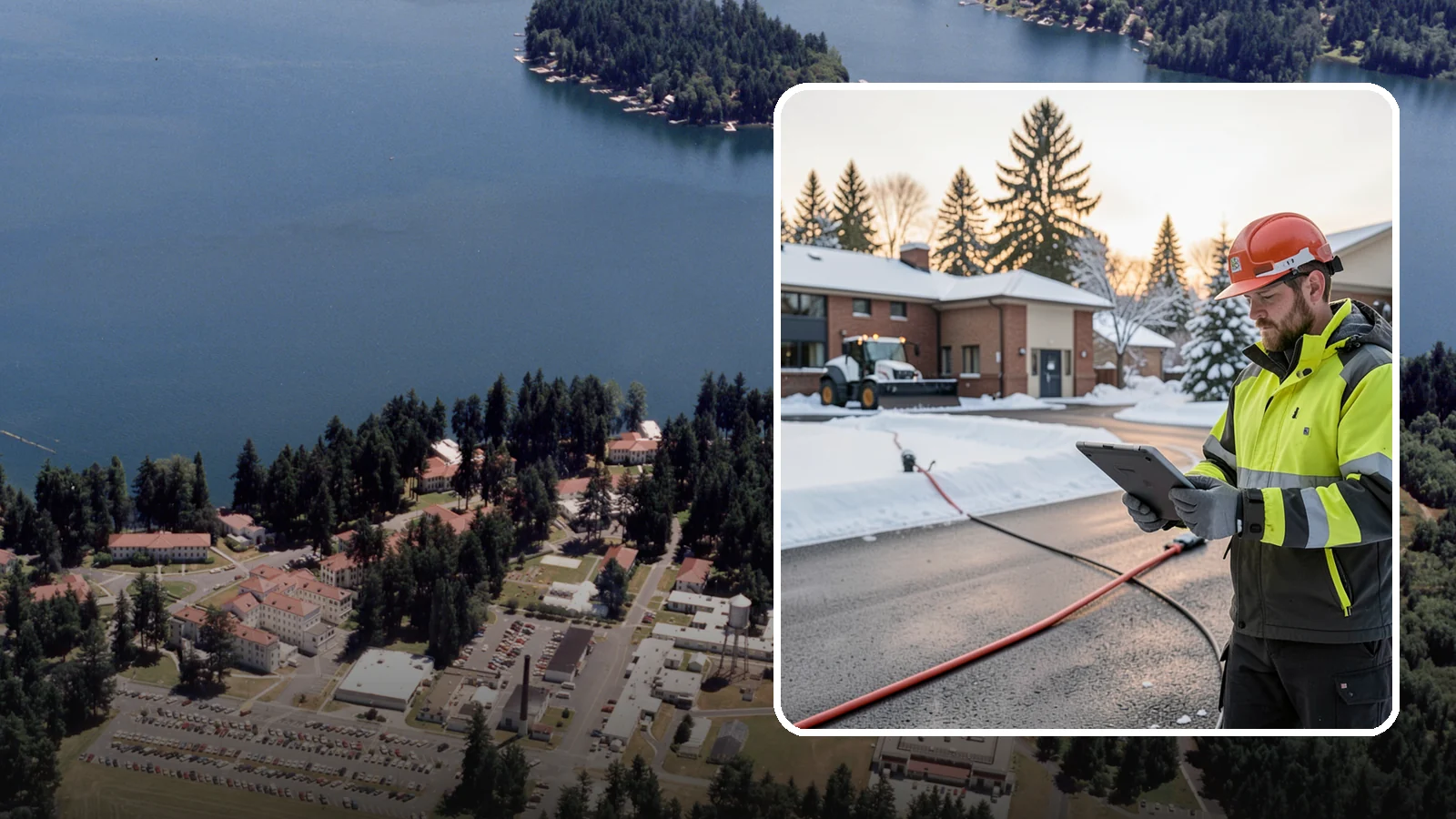
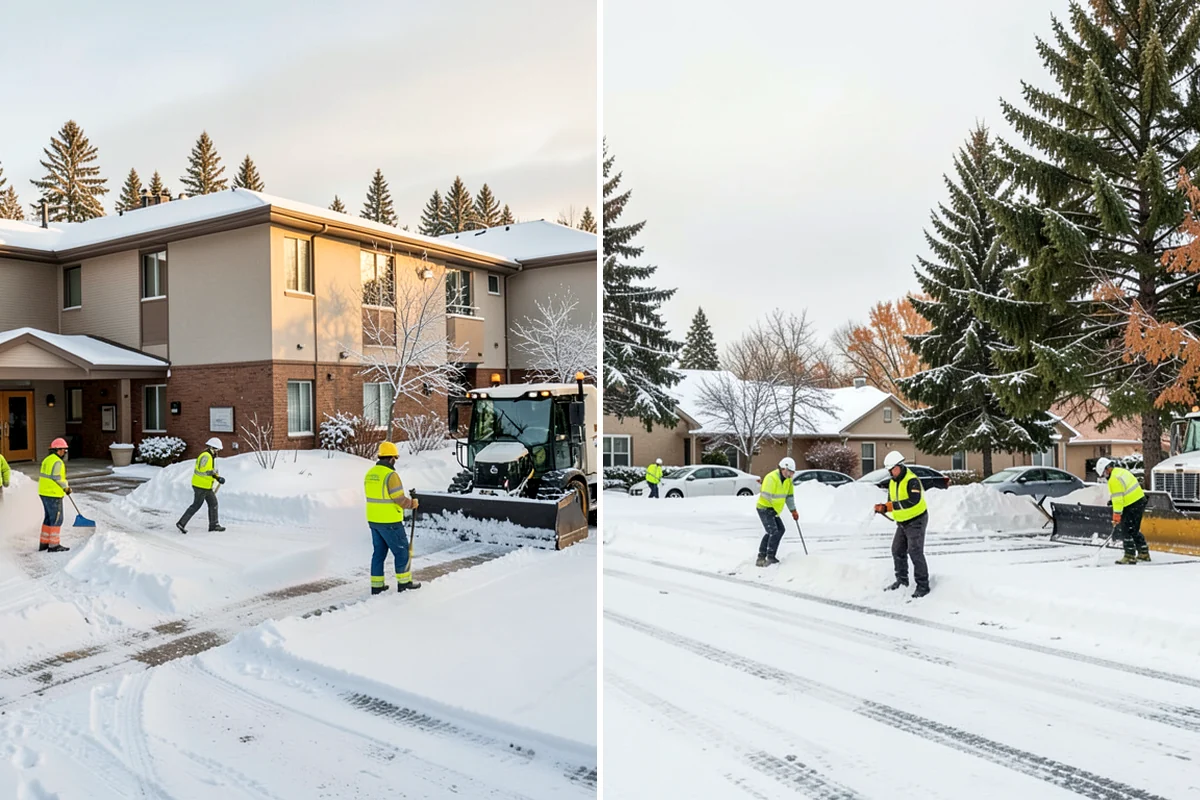
Refreeze prevention stops daytime meltwater from turning back into dangerous ice once temperatures drop after dark.
Refreeze prevention is the work done after snow melts and before the water turns to ice again. In Lakewood, that matters more than deep snow. The area averages 5.0 in of snow per season and only 1.6 days a year with 1 in or more, but it has 35 freezing nights between Oct and Apr.
Washington Snow Removal treats lots, walkways and entries so meltwater and freezing rain do not leave a slick surface overnight. We are based in Bothell, licensed, bonded and insured. Call 206-809-9669 to talk through your property.
Lakewood ice season, by the numbers
Average snowfall by month in Lakewood
Ice storms and freezing rain near Lakewood
- Dec 23, 2022: Ice Storm; Freezing Rain reported at Lakewood
- Jan 19, 2012: Ice Storm; Freezing Rain reported at 3 NW Lake City; Freezing Rain reported at 5 N Fort Lewis
Sources: NOAA and National Weather Service records for Lakewood, 2005–2026.
How Refreeze Prevention Works in Lakewood, WA
Lakewood rarely gets a big snowfall. Snow is on the ground about 3 days a year. The bigger risk is ice. Freezing rain and ice storms have been recorded near Lakewood, including an ice storm and freezing rain on Dec 23, 2022, and an ice storm on Jan 19, 2012. The area also averages 3.38 Winter Weather Advisories a year.
With 35 freezing nights a season, wet pavement can turn to ice after dark even when the day was clear. Prevention means treating surfaces before that happens, or after melt and drainage, rather than waiting for a fall to occur.
A typical visit may include:
- Walking the lot, sidewalks, ramps and entries to find low spots and downspout runoff
- Applying bulk salt or bagged ice melt to those areas
- Hand work on steps and walkways with a crew member
- Clearing leftover slush so it cannot freeze in place
Pricing is posted plainly. Bulk salt applied is $300 / ton. Bagged ice melt is $45 / 50 lb bag. A plow and spreader truck with driver (Ram 5500) is $325 / hour, and a crew member is $110 / person-hour. Lakewood is zone C, with a $350 / dispatch trip charge and a 2-hour minimum per dispatch. Our Bothell yard is 81 minutes away, so we plan visits with that drive in mind.
Prices in Lakewood
Billed by the hour for the crew and equipment on site, plus materials.
| Plow and spreader truck with driver (Ram 5500) | $325 / hour |
| Ice melt, bagged | $45 / 50 lb bag |
| Bulk salt, applied | $300 / ton |
| Crew member (shoveling, sidewalks, hand work) | $110 / person-hour |
| Trip charge for Lakewood (zone C) | $350 / dispatch |
- 2-hour minimum per dispatch.
- Lakewood is 81 minutes from our Bothell yard.
Prices approved Oct 2026.
Service Area
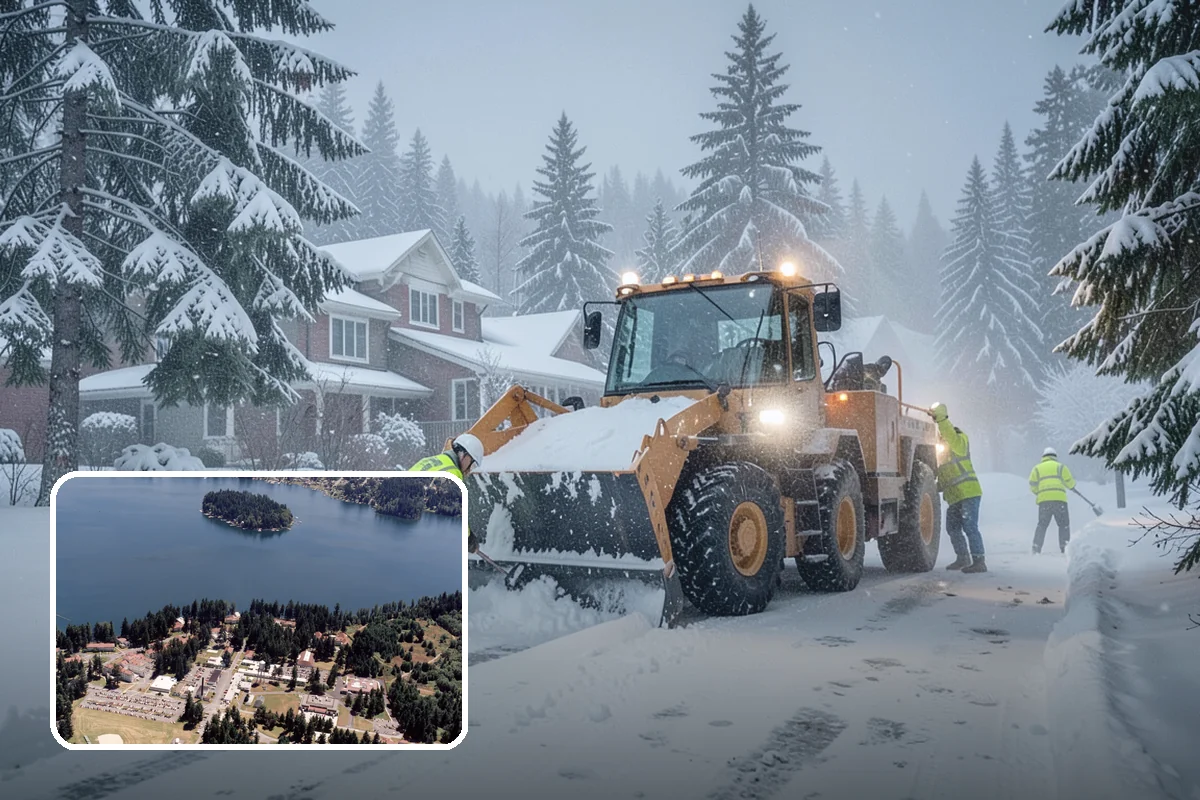
Lakewood
Benefits
Stops afternoon melt from refreezing into overnight glaze; Targets shaded and low-lying refreeze hot spots; Timed to the afternoon-to-evening temperature drop; Keeps midday-safe surfaces safe after dark