Generator Access Clearing in Puyallup: What the Work Involves
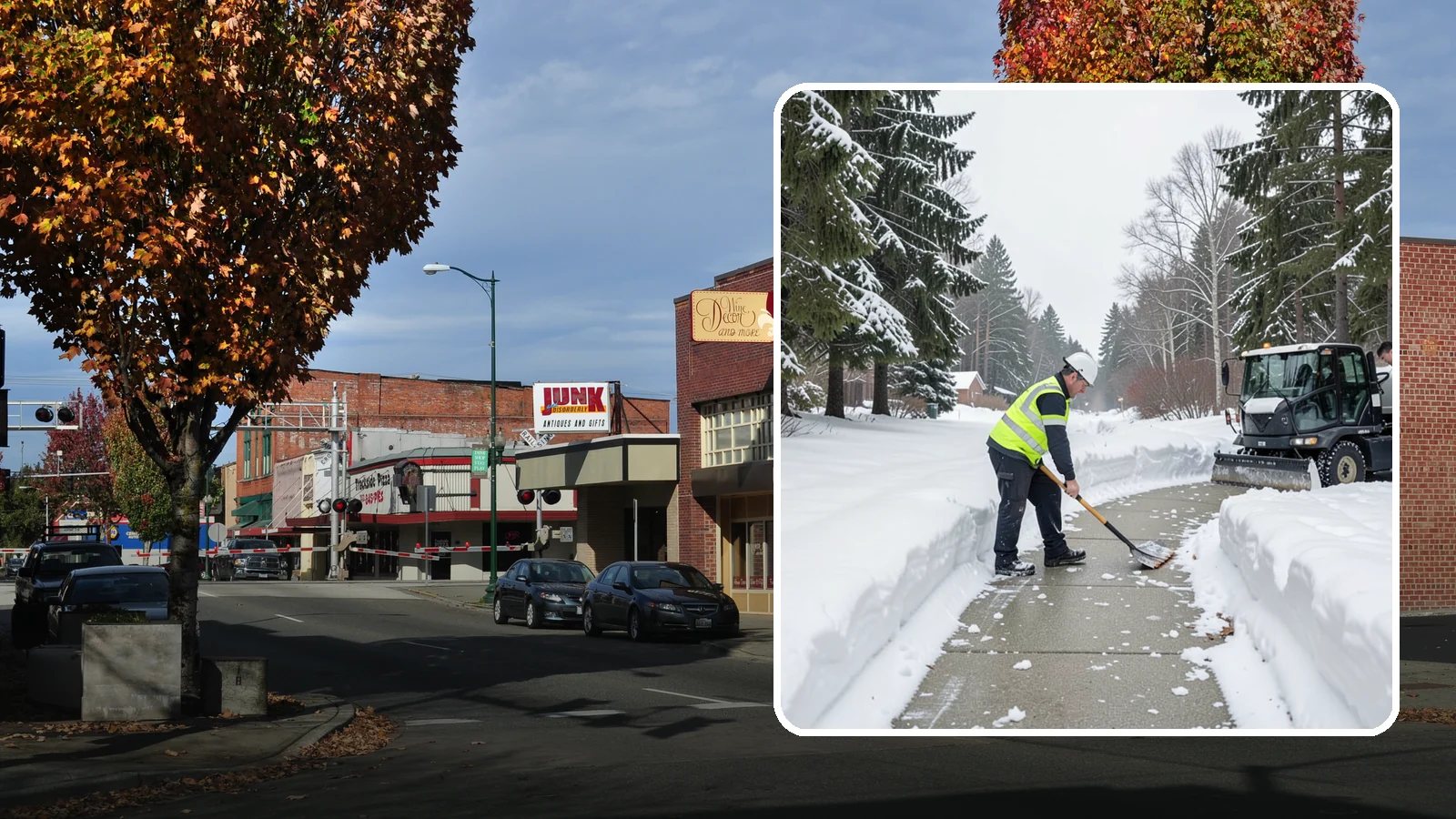
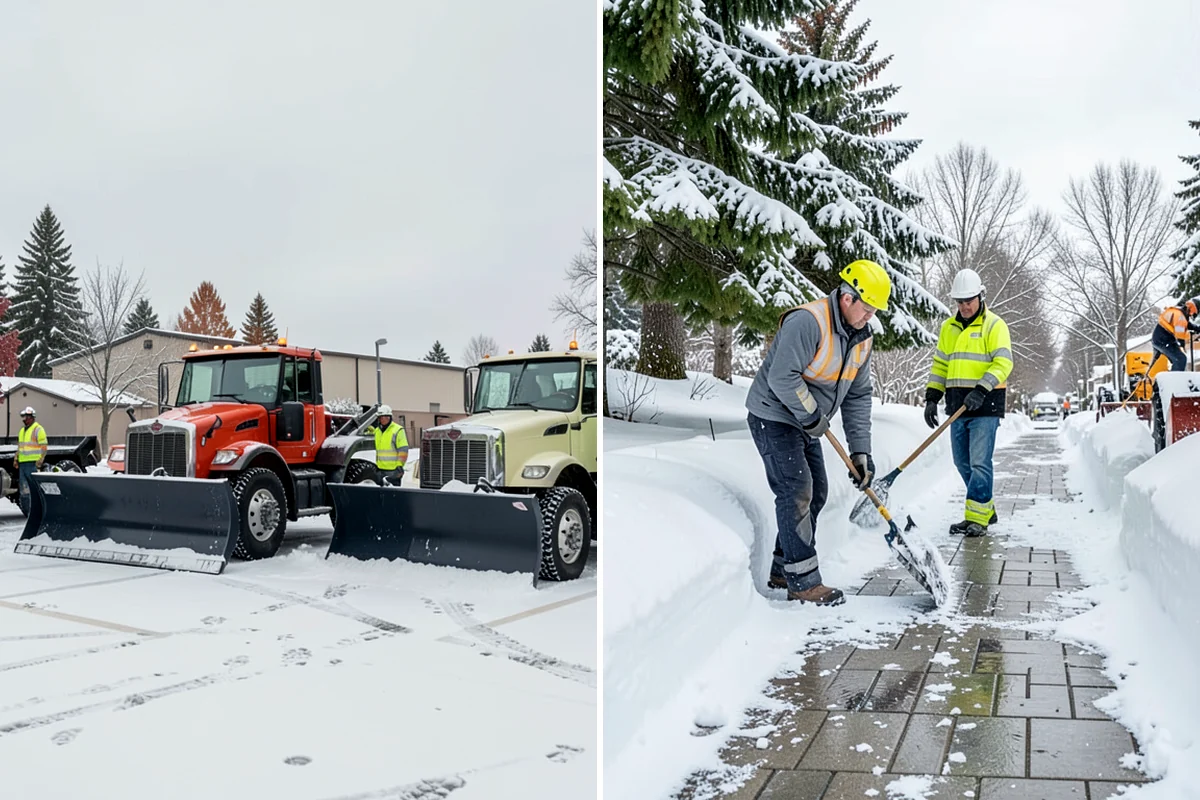
Generator clearing is mostly hand work. A crew member shovels a path from the building to the unit, clears the service door and the area around the enclosure, and removes snow from the vents and the top of the cabinet. We keep snow off the exhaust side so fumes do not collect. Where ice has formed on the pad or the path, we spread bagged ice melt.
Puyallup does not get much snow. The average is 7.8 inches per season, and there are about 2.4 days a year with 1 inch or more. Still, 80% of winters have at least one 1-inch day, and the big storms are heavy. Feb 12-15, 2021 brought 14.2 inches, with 9.3 inches on the biggest day. Feb 5-6, 2017 brought 10.6 inches, and Jan 15-20, 2012 brought 9.1 inches. Those are the events when power outages and generator use are most likely.
There are also 29 freezing nights between October and April, so refreeze on paths and pads is a real concern even in years with little snow.
- Crew member (shoveling, sidewalks, hand work): $110 per person-hour
- Ice melt, bagged: $45 per 50 lb bag
- Compact track loader with operator (Kubota SCL1000): $175 per hour, if a long drive needs clearing
- Trip charge for Puyallup (zone C): $350 per dispatch
Each dispatch has a 2-hour minimum.