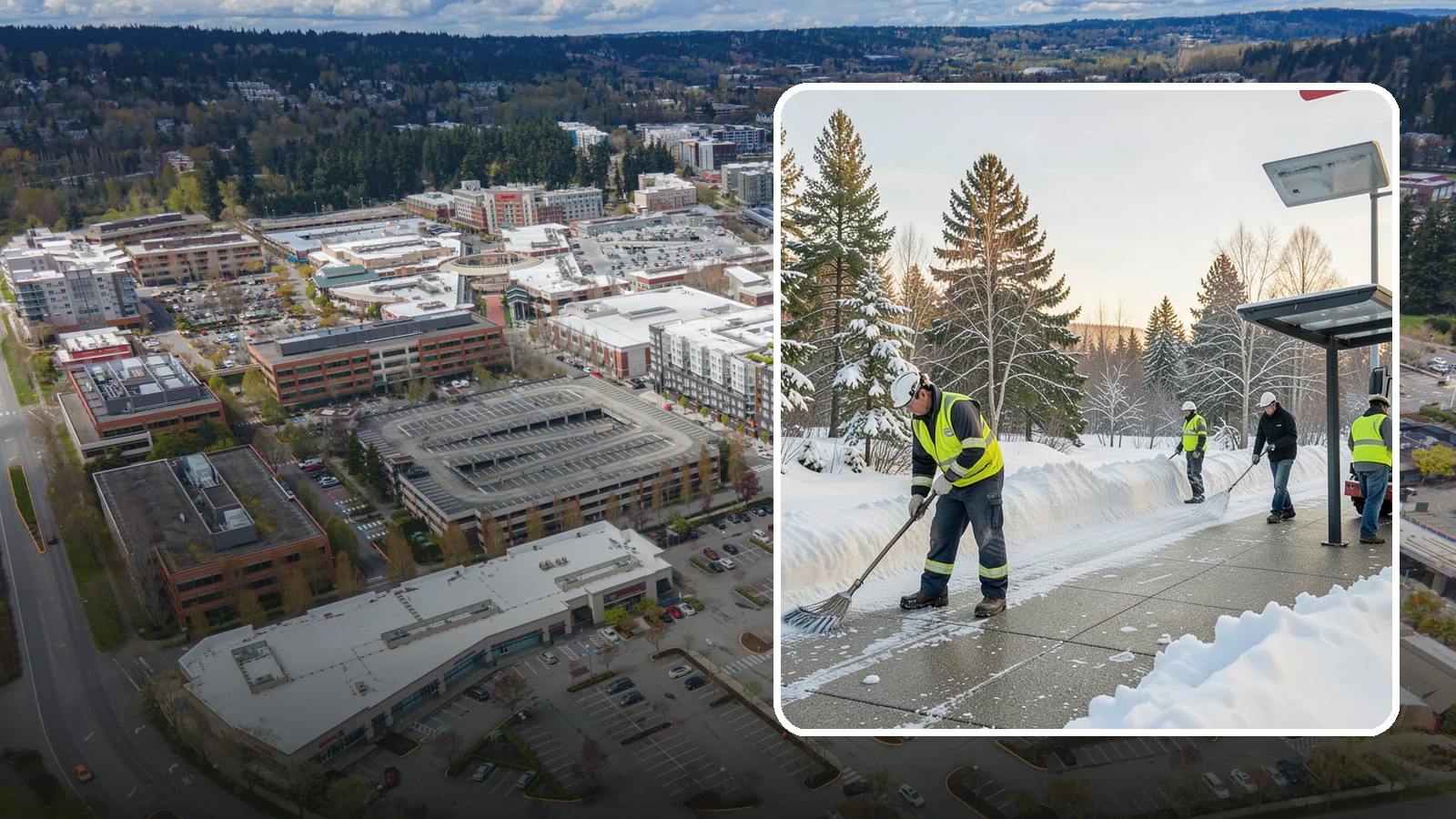
Keeping You Moving. Beyond Expectations.
We clear bus stops, shelters, and boarding pads so transit riders board safely during Western Washington snow and ice.
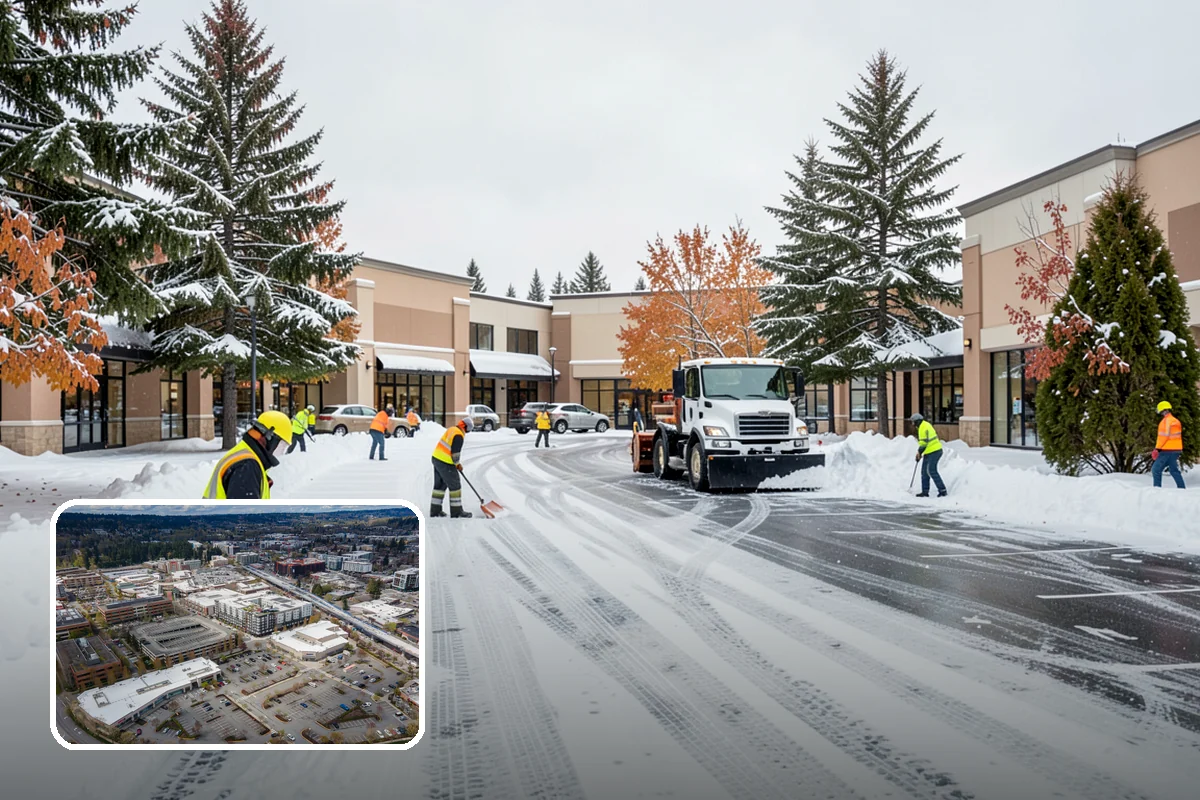
Washington Snow Removal clears bus stops in Redmond, WA. OpenStreetMap lists 288 bus stops inside city limits. We work from our Bothell yard, which is 27 minutes away. We are licensed, bonded and insured.
Redmond sees only 7.8 in of snow in an average season. That makes each storm a surprise for riders. A stop that is clear and salted lets people reach the curb, wait safely and board without stepping into the street. Call 206-809-9669 to set up service.
Sources: NOAA and National Weather Service records for Redmond, 2005–2026.
A bus stop is small, but it has to work for everyone. We clear the sidewalk approach, the waiting area and the spot where riders step off the curb. Stops along routes like 132nd Ave NE at NE 100th St, NE 102nd Pl, NE 104th St and NE 106th Pl need a path to the curb, not just a cleared lane.
Redmond has about 2.3 days a year with 1 in or more of snow, and only 1.1 days a year stay below freezing. Yet there are 31 freezing nights between Oct and Apr. That means the bigger problem is often ice, not depth. Meltwater refreezes overnight on shaded sidewalks and shelter pads. Recent events show the range: Heavy Snow on Feb 8, 2019, a Winter Storm on Feb 12, 2021, and an Ice Storm on Dec 23, 2022.
Most stops are cleared by hand. We use shovels and bagged ice melt, and bring a compact track loader when snow is piled up or a larger area needs work.
Each dispatch has a 2-hour minimum.
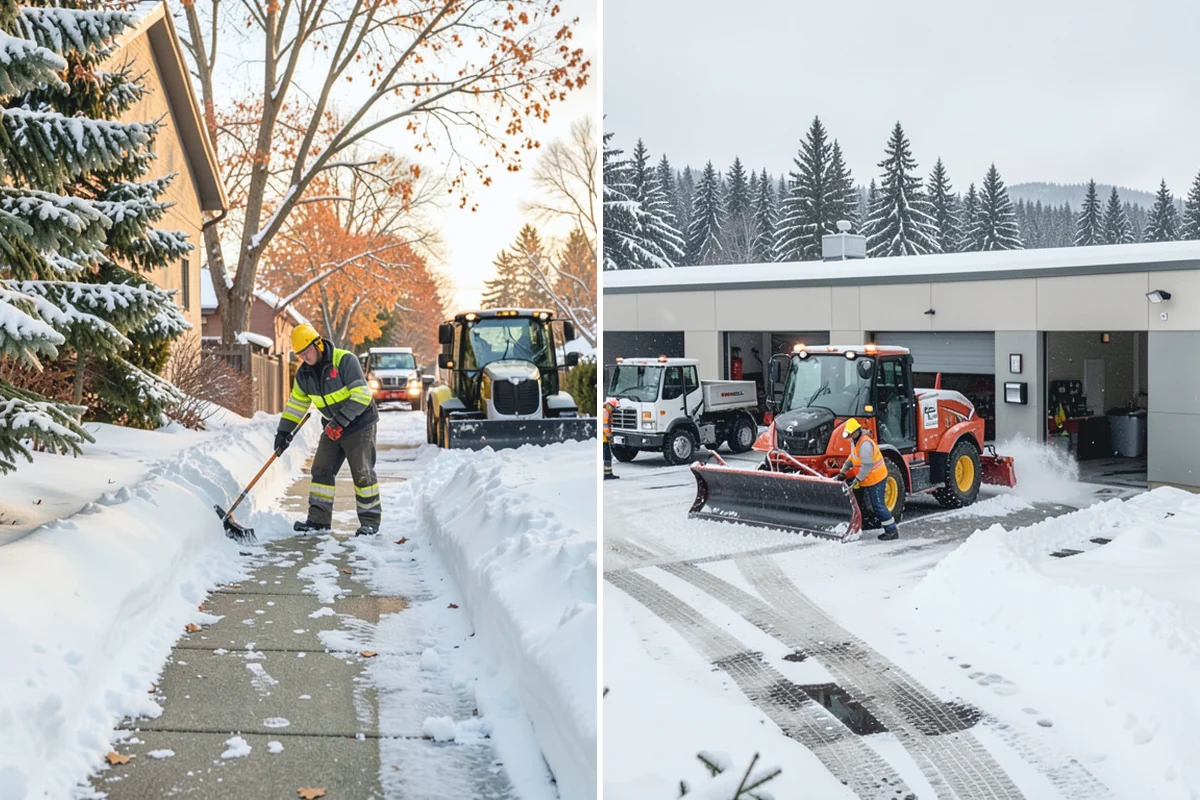
Billed by the hour for the crew and equipment on site, plus materials.
| Crew member (shoveling, sidewalks, hand work) | $110 / person-hour |
| Compact track loader with operator (Kubota SCL1000) | $175 / hour |
| Ice melt, bagged | $45 / 50 lb bag |
| Trip charge for Redmond (zone A) | $200 / dispatch |
Prices approved Oct 2026.
OpenStreetMap lists 288 bus stops inside Redmond city limits.
Source: OpenStreetMap contributors, Oct 2026. Named sites are examples of local facilities, not customers.
Gives transit riders a safe path to board; Clears plow berms blocking the boarding pad; Treats shaded shelter slabs against black ice; Keeps seating and schedule signage accessible; Supports riders using mobility devices