Keeping You Moving. Beyond Expectations.
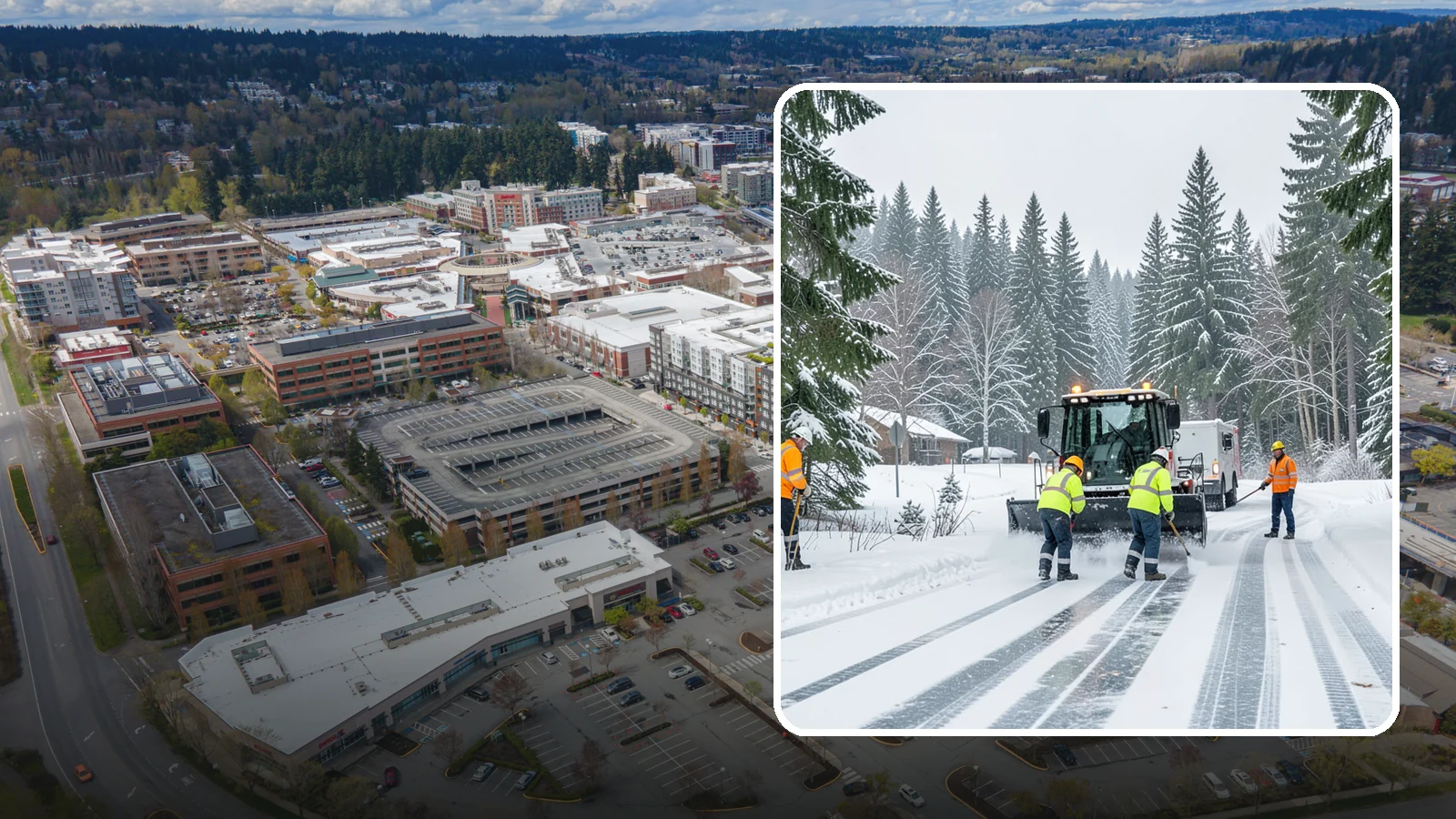
We keep marked fire lanes clear during snow events so emergency vehicles always have unobstructed access.
Fire lanes at Redmond commercial and multifamily properties have to stay open, even when snow is light. Washington Snow Removal clears fire lanes, hydrant access and apparatus turnarounds so emergency vehicles can get in. We are based in Bothell, 27 minutes from Redmond, and we are licensed, bonded and insured.
Redmond averages 7.8 in of snow per season and sees 2.3 days a year with 1 in or more. Freezing nights are far more common at 31 from Oct to Apr. Call 206-809-9669 to set up fire lane service for your property.
Sources: NOAA and National Weather Service records for Redmond, 2005–2026.
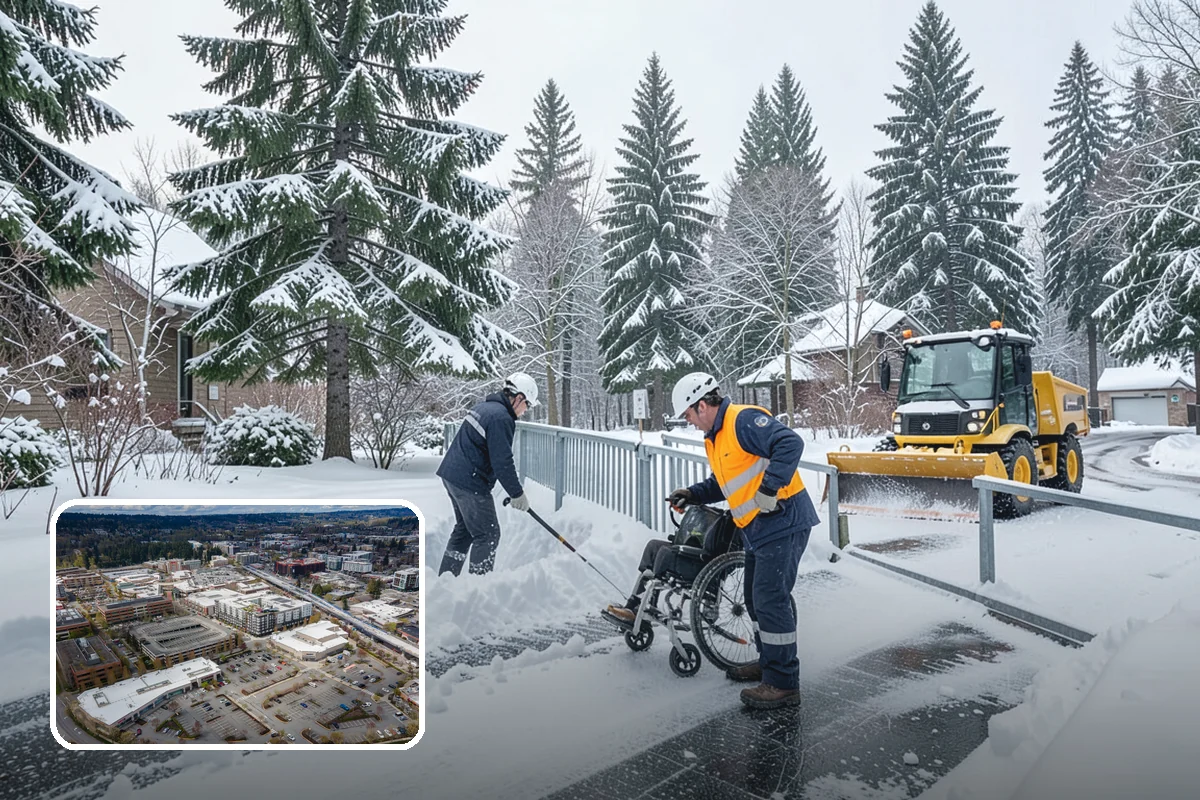
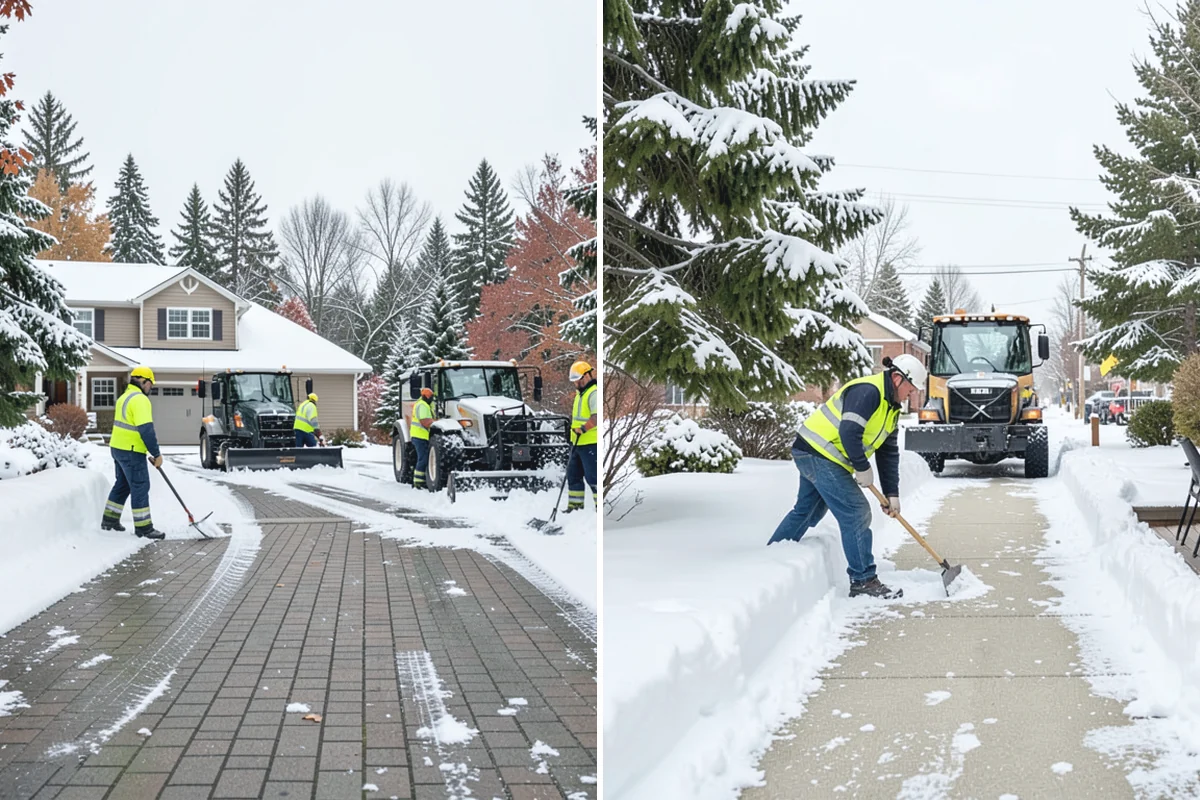
A fire lane is only useful if it is clear curb to curb. At a Redmond office park, apartment complex or retail center, that means plowing the marked lane, opening space around hydrants and keeping turnarounds free of piled snow. Hand crews handle the spots a truck cannot reach.
Redmond snow is infrequent. An average season brings 2.29 plow events, and about 3.19 light-snow days need deicing. Recent events in the area include a winter storm on Jan 12, 2020 and heavy snow on Feb 8 and Feb 11, 2019. With 31 freezing nights, ice often matters as much as depth. Thin snow can pack down and refreeze in a lane that sees little traffic.
Redmond is trip zone A, with a $200 per dispatch trip charge. Each dispatch has a 2-hour minimum.

Billed by the hour for the crew and equipment on site, plus materials.
| Plow truck with driver (Ram 3500) | $250 / hour |
| Plow and spreader truck with driver (Ram 5500) | $325 / hour |
| Compact track loader with operator (Kubota SCL1000) | $175 / hour |
| Crew member (shoveling, sidewalks, hand work) | $110 / person-hour |
| Ice melt, bagged | $45 / 50 lb bag |
| Bulk salt, applied | $300 / ton |
| Trip charge for Redmond (zone A) | $200 / dispatch |
Prices approved Oct 2026.
Fire lanes kept clear to full required width; Support for local fire code compliance; Unobstructed access for emergency responders; Careful clearing that avoids blocking adjacent zones; Reduced liability during winter events