Generator Access Clearing in Edgewood, WA
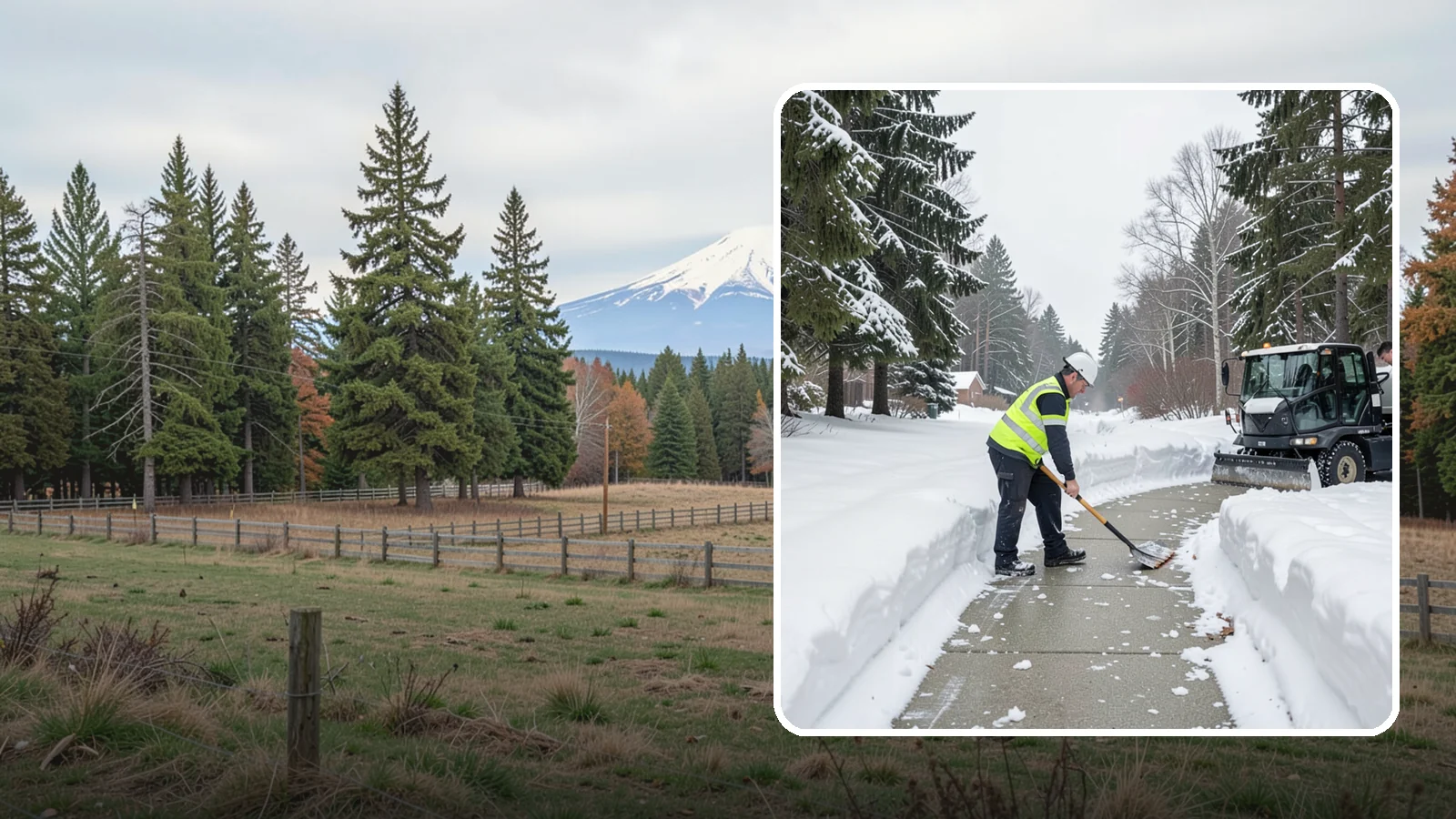
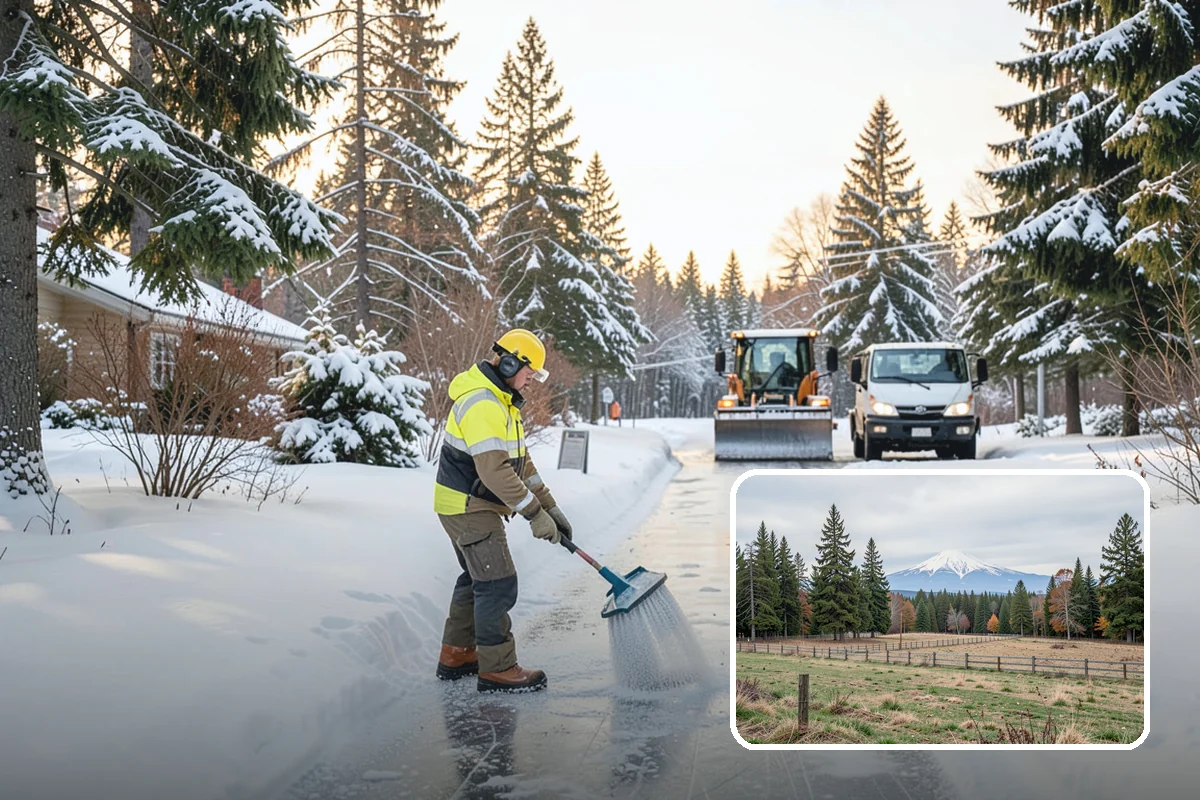
Generator access clearing is hand work and light equipment work focused on one goal: a safe, open path to your generator. We clear snow from around the unit, from the walkway leading to it, and from any panel or service door that has to swing open. Where ice has formed, we apply ice melt to the path.
Edgewood does not get much snow. The average is 6.8 in per season, and only 2.1 days a year bring 1 in or more. Snow on the ground shows up about 4 days a year. The bigger problem is ice. There are 30 freezing nights between October and April, and about 3.62 light-snow days a year need deicing. Recent events logged for the area include ice storms on Dec 23, 2022 and Jan 19, 2012, and heavy snow on Dec 26, 2021 and Feb 8, 2019.
A typical visit may include:
- Shoveling a path to the generator and its controls
- Clearing snow away from vents and the unit's sides
- Spreading ice melt on steps and walkways
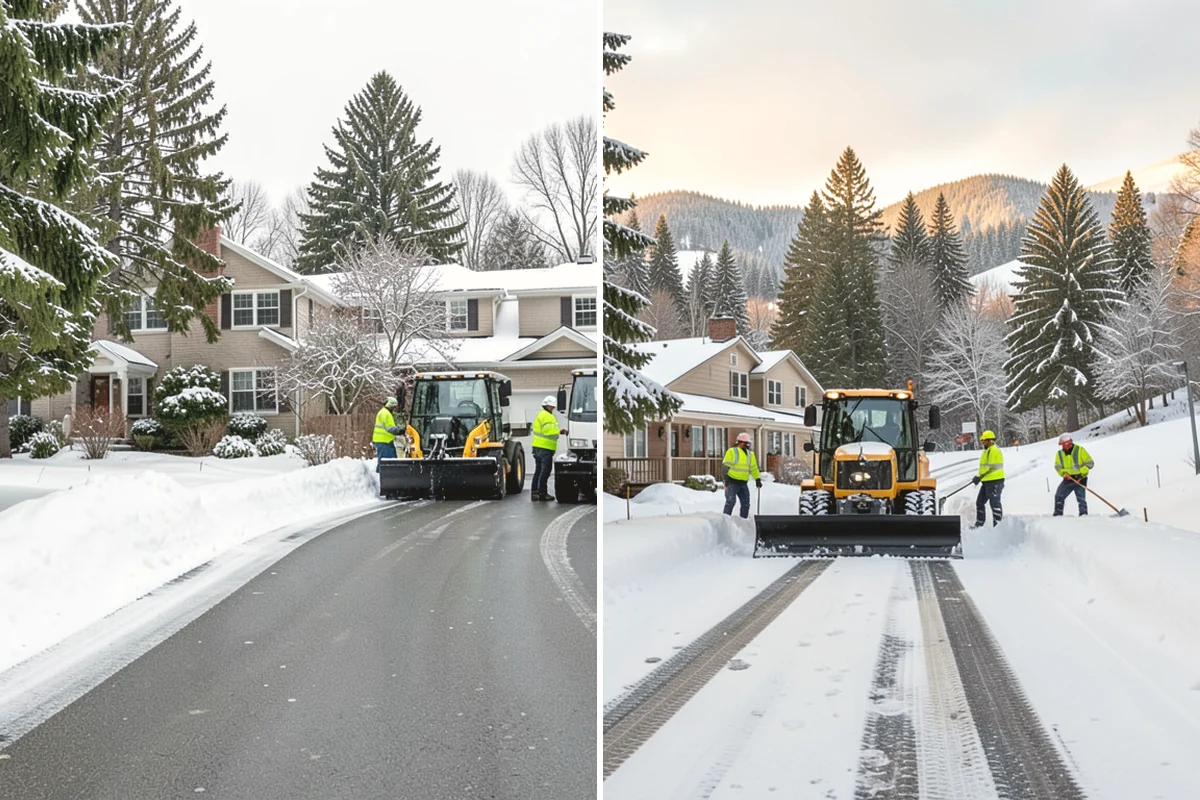
- Using a compact track loader if a long drive or deep drift blocks the route
Pricing is $110 per person-hour for crew work, $175 per hour for a Kubota SCL1000 compact track loader with operator, and $45 per 50 lb bag of ice melt. Edgewood is zone C, with a $350 trip charge per dispatch. Each dispatch has a 2-hour minimum.